
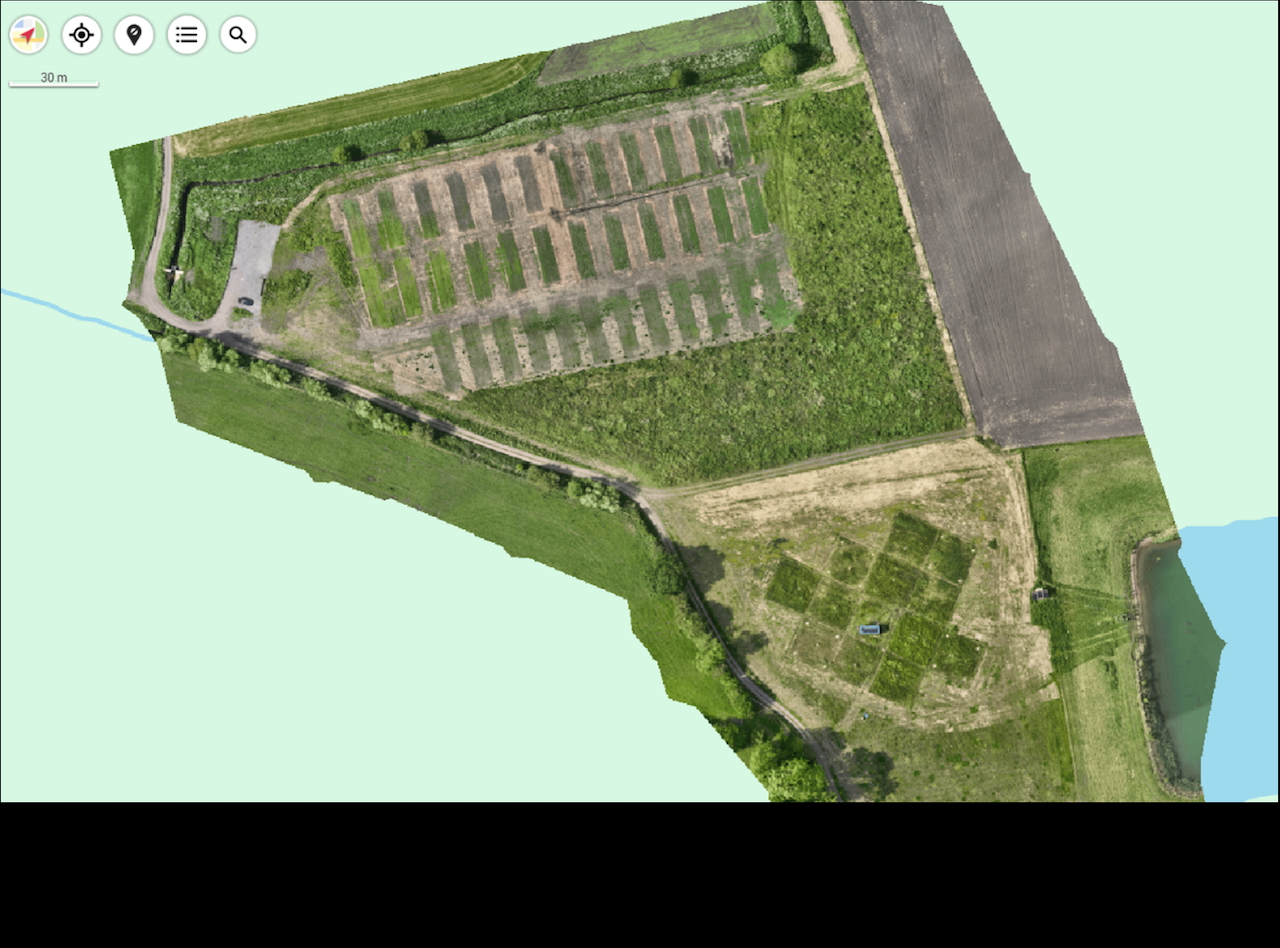
Paludiculture is an innovative form of land use that restores and manages peat/organic soils while still allowing productive farming. The word comes from the Latin palūs and cultūra, respectively meaning marsh/swamp and cultivation/agriculture. Unlike traditional farming on drained peat soils, which causes its degradation, paludiculture works with wet conditions rather than against them. Globally, drained peatlands are a major source of greenhouse gas emissions.
In the UK, lowland peat areas have been highly productive for agriculture, but centuries of drainage have left them vulnerable to loss and wastage, flooding, biodiversity decline, altered biogeochemical properties, structural damage, and its hydrological function diminished. Paludiculture offers a way to continue growing crops while reducing environmental impacts. Although, peat recovery spans multi-decadal timescales just like its formation.
Instead of conventional crops, paludiculture focuses on plants adapted to wet conditions. Examples include Typha (for building materials, bioenergy, and clothing), farmed Sphagnum (for growing media, biomedical uses and industrial chemicals), and food crops such as bilberry, celery, cranberry, watercress, sedge and sweet grass grains. Commercial growing of these in the UK is still in its infancy, but market forecasts allude to being dominated by raw materials for industry, fodder, and growing media. In addition to tapping on new income streams too like carbon credits and nature-based solutions, these crops create valuable habitats for birds, invertebrates, and other wildlife.
The environmental benefits can be significant and by rewetting peat soils through paludiculture, further carbon loss could be halted and potentially act as a long-term carbon storage. Additionally, improvements to water quality, reduced flood risk by holding back excess water as well as providing corridors for wildlife are expected. Research, with pilot projects in the UK and across Europe, is now focusing on refining cultivation methods, developing markets for paludiculture crops, and supporting farmers during the transition.
By Dr Ana I. Morais Natalio
Comments are closed